

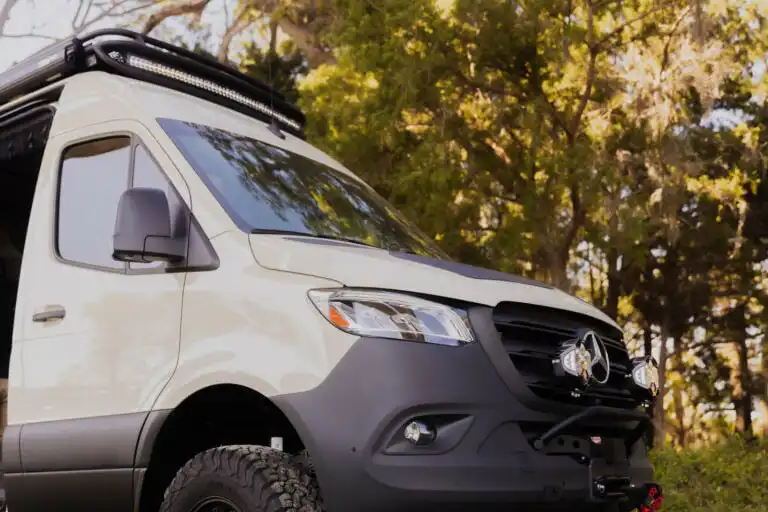
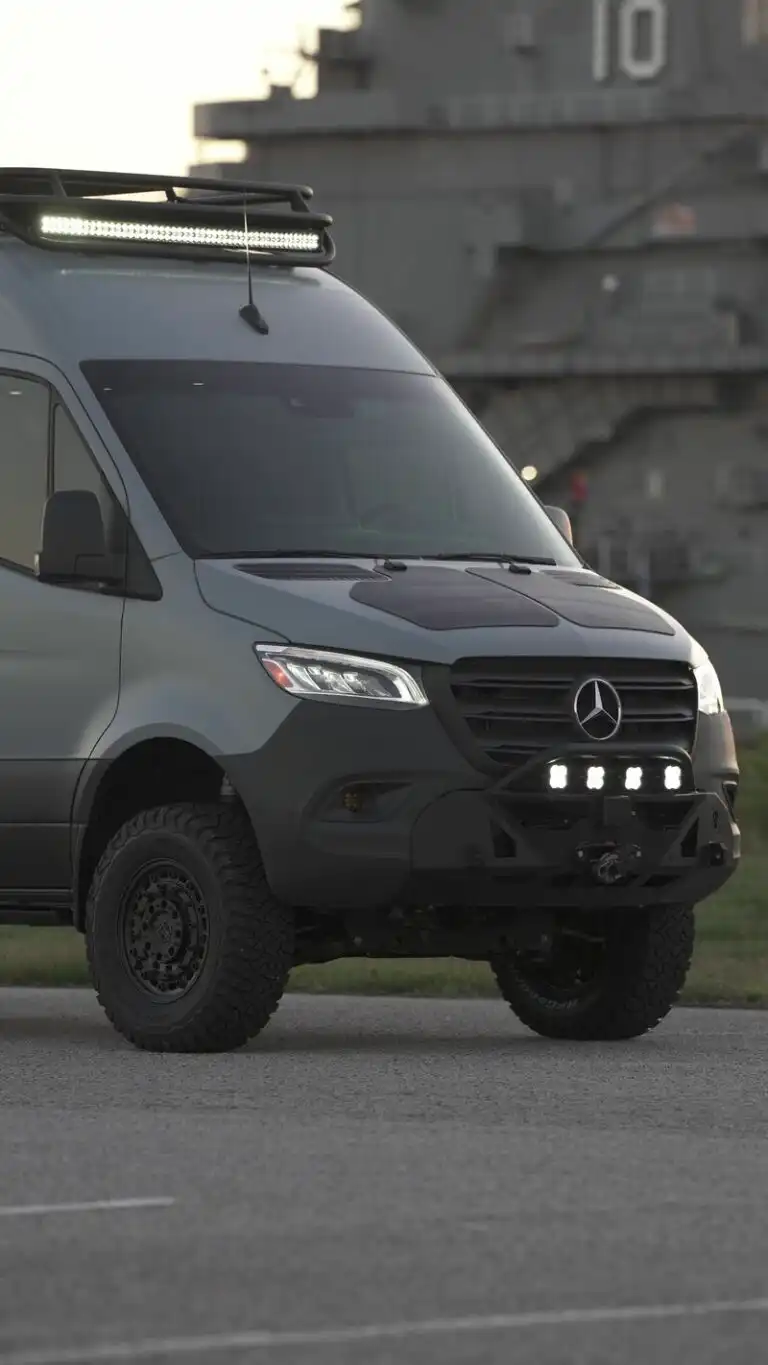
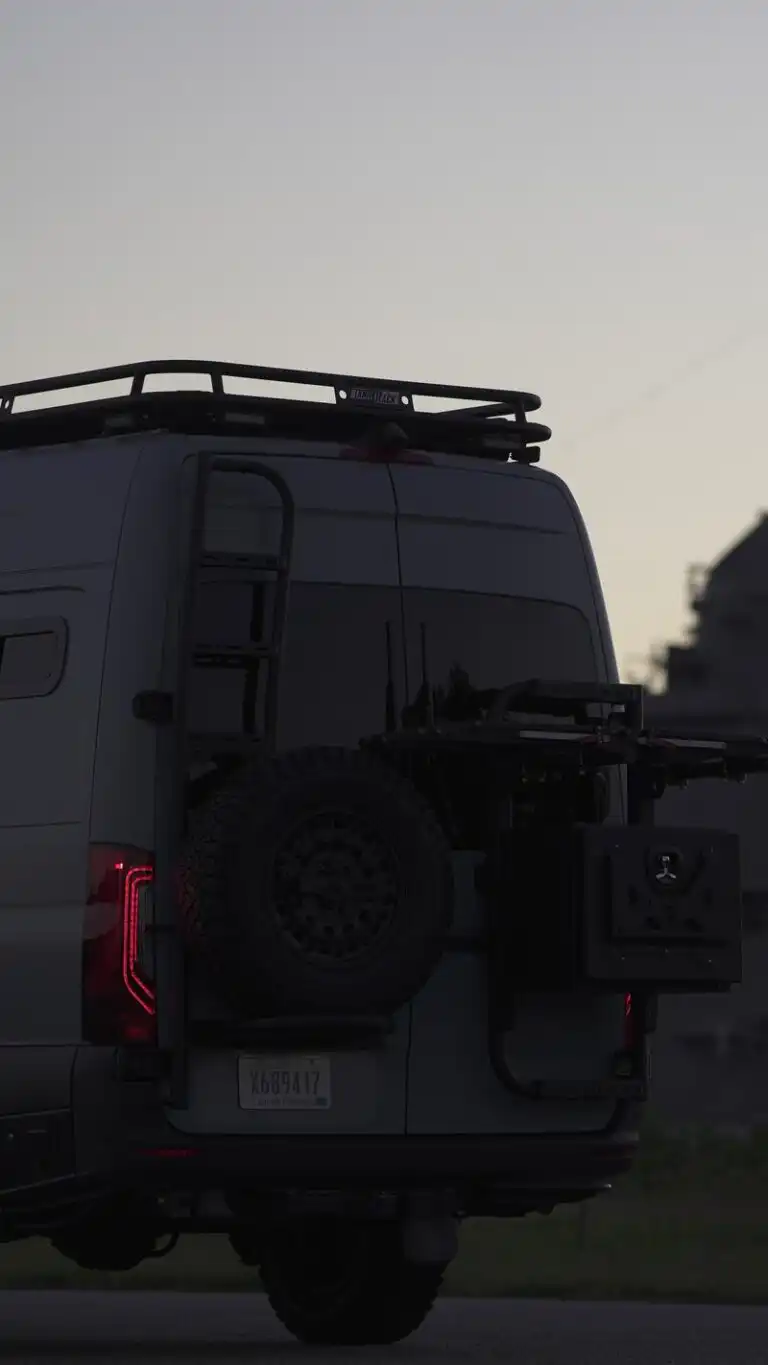

Van life has evolved far beyond solo travelers and weekend adventurers. Increasingly, families are exploring van life with kids as a way to travel more intentionally, spend time together, and stay connected to the outdoors without sacrificing flexibility. At the same time, family van life is not a one-size-fits-all solution. Comfort, safety, and cost vary widely depending on how a van is built and how it is used. This article takes a realistic look at what families should consider before committing to life on the road.
Comfort is often the first concern parents raise, and rightly so. A well-designed family camper van prioritizes functional layouts over aesthetics. This means dedicated sleeping spaces for kids, flexible seating that converts efficiently, and storage systems that keep daily essentials accessible rather than buried. Climate control is another non-negotiable. Insulation, ventilation, and heating systems matter more when children are involved, especially for families traveling across seasons or climates. When built correctly, a camper van can feel less like “roughing it” and more like a compact, mobile home designed for togetherness.
Safety is where many families hesitate, and it deserves serious consideration. Camper van safety for kids starts with proper seating and restraints. Every child should have a designated, DOT-compliant seat with an appropriate seatbelt or car seat anchor. Beyond driving safety, interior safety matters just as much. Rounded cabinetry edges, secure latches, non-slip flooring, and clearly defined zones for cooking versus sleeping help reduce daily risks. Externally, families should consider vehicle height awareness, backup cameras, and sensor systems to improve visibility in tight or unfamiliar environments.
Cost is often misunderstood in discussions about van life with kids. While the upfront investment in an adventure van for families can be significant, the long-term financial picture is more nuanced. Families frequently offset costs by reducing airfare, hotel stays, dining out, and paid entertainment. Fuel, maintenance, insurance, and campground fees still apply, but many families find their overall travel spending becomes more predictable and controlled. The key distinction is whether the van is viewed as a depreciating luxury or as a long-term family travel asset.
One of the most compelling benefits of family van camping is flexibility. Families are not locked into rigid schedules, fixed reservations, or single destinations. Plans can adapt around weather, energy levels, and children’s needs. A day that starts as a long drive can easily turn into a lakeside afternoon or an early stop at a quiet campsite. This adaptability often reduces stress rather than adding to it, particularly for parents used to coordinating complex family logistics.
That said, van life with kids requires realistic expectations. Space constraints amplify both connection and conflict. Organization becomes a daily discipline, not an occasional chore. Screen time, schooling, and routines must be intentionally managed rather than assumed. Families who thrive in van life environments tend to view the van as a shared system, where everyone participates in setup, cleanup, and decision-making.
From an educational perspective, many families find unexpected value in this lifestyle. Travel becomes experiential learning. Geography, history, science, and problem-solving unfold naturally through daily experiences. Even short-term trips can leave lasting impressions that traditional vacations rarely match. This is especially true when the van is designed to support downtime as well as adventure, allowing kids to rest, read, and recharge.
Ultimately, the question is not whether van life is right for all families, but whether it aligns with your family’s priorities. A thoughtfully designed family camper van can offer comfort, safety, and cost efficiency, but it requires planning and intention. For families seeking connection, flexibility, and meaningful time outdoors, an adventure van for families can be less about escape and more about building a shared way of life.
For those considering the next step, the design and build process matters as much as the destination. A van tailored to family needs will always outperform a generic setup, especially when children are part of the journey.