

Buyers researching modular van interior systems quickly run into two very different philosophies. On one side are integrated, professionally installed systems like Smartfloor. On the other are modular interior kits — Adventure Wagon’s panel-and-L-Track ecosystem being the best known — designed to be installed and reconfigured by the owner. Both deliver flexibility, but they solve the problem in opposite ways, and the right answer depends entirely on how you intend to use and live with the van. This guide compares the two approaches the way a builder evaluates them, so you can decide which fits before you spend on either.
If you are new to the category, start with what a Smartfloor system is and our look at removable seating: Smartfloor vs L-Track. This article is the decision framework that sits above both.
Two philosophies of modularity
A modular interior kit system, like Adventure Wagon’s, is built around a structural grid — wall panels, ceiling panels, and L-Track rails that let you mount and remount gear, furniture, and accessories anywhere along the track. The appeal is owner-driven flexibility: you can rearrange the interior yourself, add components over time, and treat the van as a platform you keep tuning. It is a genuinely good system, and its DIY-friendly design is exactly why Adventure Wagon has earned the audience it has.
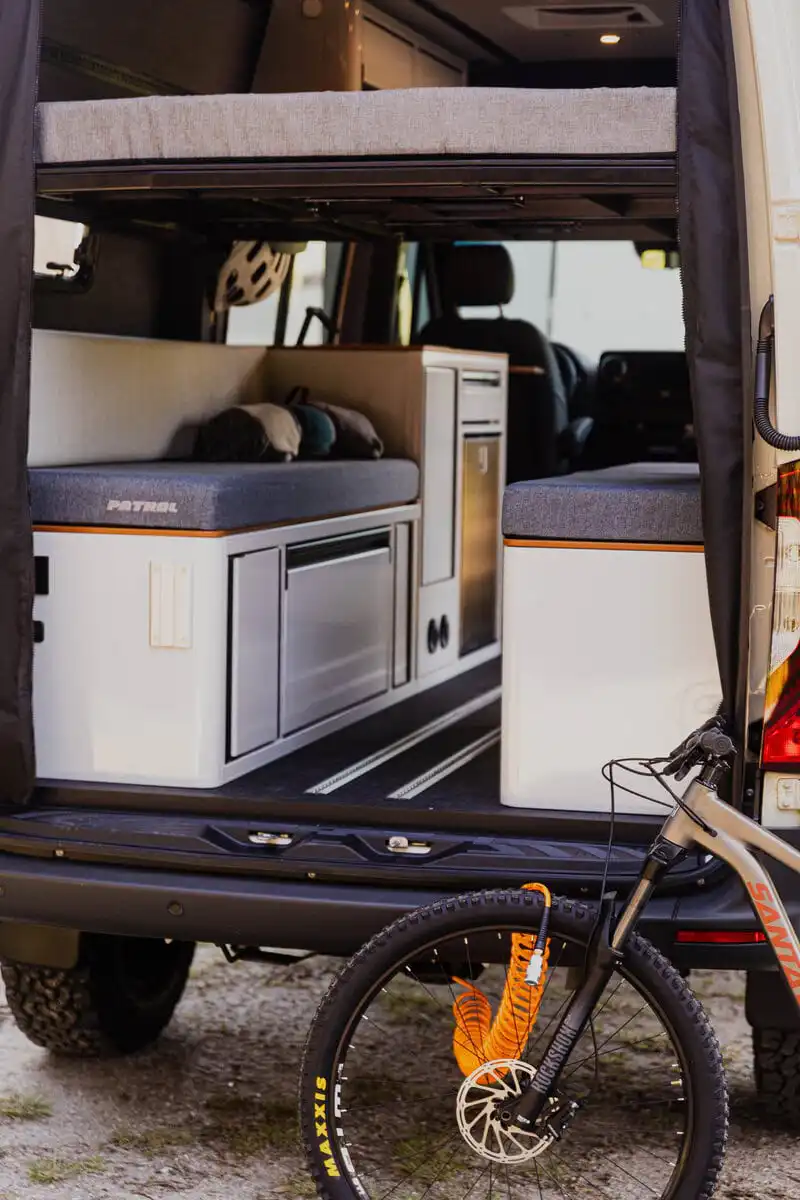
A Smartfloor system approaches modularity from the floor up. It is an integrated, professionally installed floor that allows seating and modules to lock in, slide, or come out entirely — reconfiguring the whole interior footprint rather than rearranging gear on the walls. The flexibility lives in the floor plane, which is where seating, sleeping, and cargo configurations actually change. It is engineered to be installed as part of a finished, coordinated build rather than added piecemeal.
The distinction is not “better versus worse.” It is wall-and-track flexibility you manage yourself versus floor-based reconfiguration built into a professional conversion.
Where modular kit systems shine
Kit systems make the most sense for owners who want to be hands-on. If you enjoy modifying your own van, expect to reconfigure frequently, want to add components incrementally as budget allows, and value being able to source parts from a broad ecosystem, a kit system is a strong fit. The L-Track grid is genuinely versatile for mounting bikes, gear, modular furniture, and accessories, and the owner community around systems like Adventure Wagon’s is large and active.
The trade-offs are the flip side of that flexibility: the owner carries the integration work, the result depends on the builder’s (or owner’s) skill at tying the kit into electrical, water, and finish, and wall-and-track mounting is excellent for gear but does not change the floor footprint the way a floor-based system does.
Where integrated systems like Smartfloor shine
Integrated systems make the most sense for owners who want flexibility without becoming their own installer. If you want to reconfigure the actual living space — pull seats for cargo, change a sleeping layout, convert between passenger and gear modes — and you want that capability engineered into a finished build with coordinated electrical, water, and cabinetry, a Smartfloor approach fits. The reconfiguration is fast and clean because it was designed in, not bolted on.
The trade-off is that it is a professional-build decision rather than an aftermarket add-on. You are buying a coordinated system as part of a conversion, not assembling a platform over time. For buyers who want the van to work out of the box and stay flexible for years, that is the point.
The two approaches are not mutually exclusive
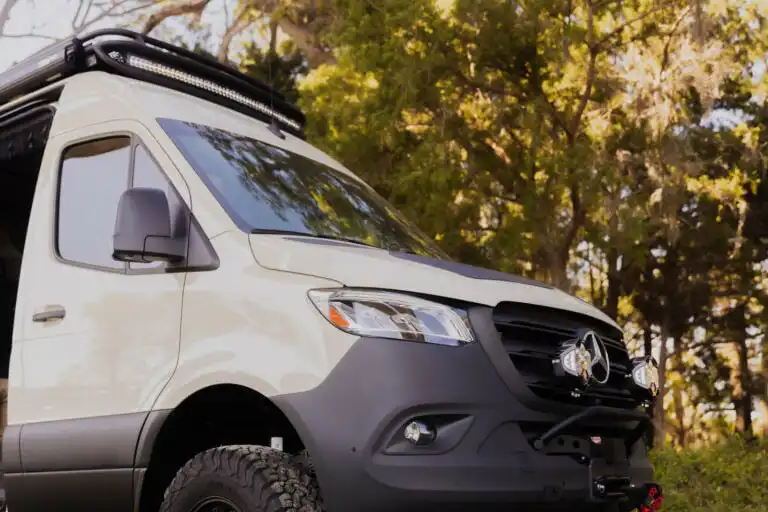
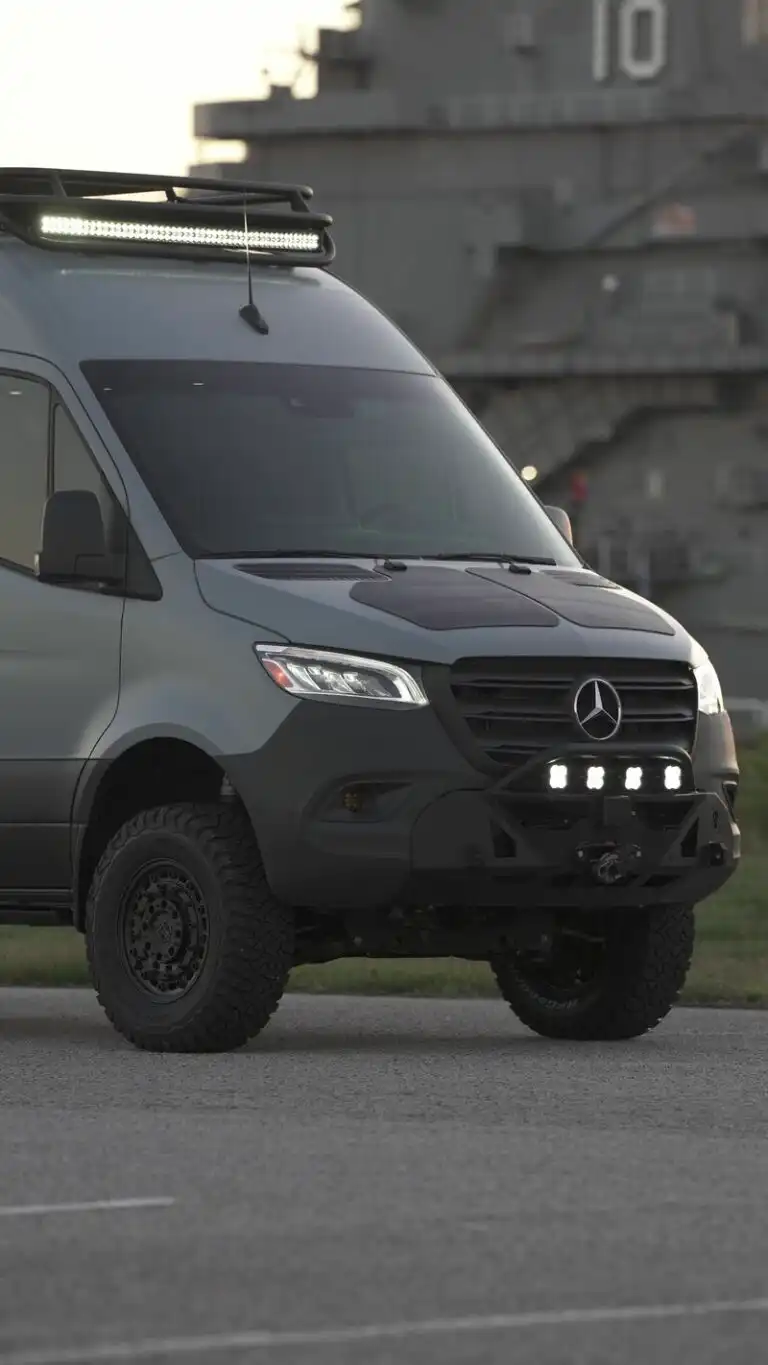
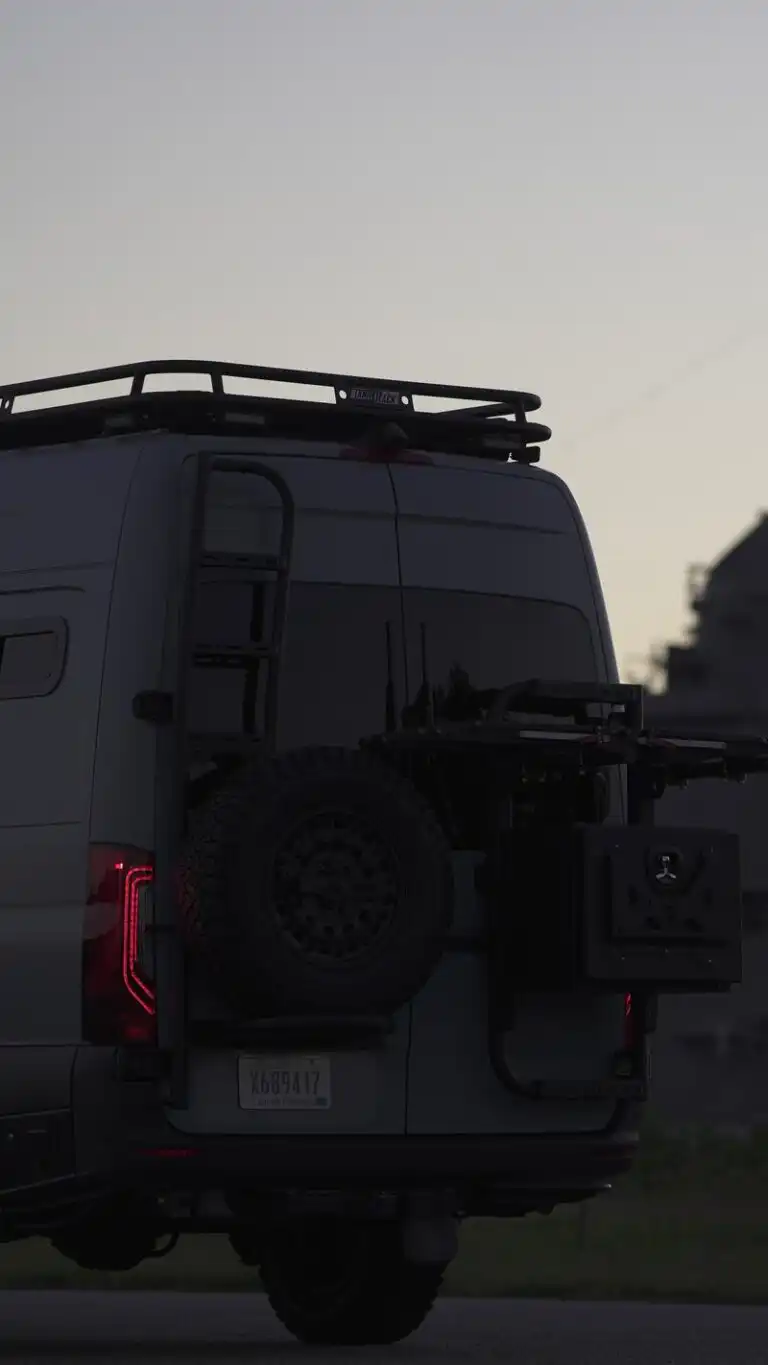
The most capable builds often use both. In a Patrol Vans conversion, a Smartfloor system can handle the floor-based reconfiguration — seating and modules that move or remove — while Adventure Wagon panels and L-Track handle the walls and ceiling for gear mounting and accessory flexibility. The floor solves the footprint problem; the walls solve the gear-mounting problem. Used together in a professionally integrated build, they cover more of the modularity spectrum than either does alone. We cover exactly how those pieces fit together in our guide to building a modular Sprinter interior.
That combination is also why we install Adventure Wagon components in our builds even though we lead with Smartfloor — the two systems answer different questions, and a buyer who understands the distinction ends up with a better van than one who treats it as an either/or.
How to decide
The decision comes down to who does the work and what kind of flexibility you actually need. Choose a kit system if you want to be hands-on, reconfigure gear frequently, and build incrementally. Choose an integrated Smartfloor approach if you want floor-level reconfiguration engineered into a finished, coordinated build. And recognize that a thoughtful conversion can use both — the floor for the footprint, the walls for the gear. The wrong move is choosing on brand recognition or price alone, because the two approaches are not really competing for the same job.
Frequently asked questions
What is the difference between Smartfloor and Adventure Wagon? Smartfloor is an integrated, professionally installed floor system that lets seating and modules reconfigure the interior footprint. Adventure Wagon is a modular wall-and-ceiling kit with L-Track for owner-driven gear mounting and reconfiguration. They solve different parts of the modularity problem and are often used together.
Which is better for a family build? Families who reconfigure between seating and sleeping or passenger and cargo usually benefit most from floor-based reconfiguration (Smartfloor), often paired with wall L-Track for gear. The right mix depends on how the family travels.
Can I add a kit system to a van later? Yes — kit systems are designed for incremental, aftermarket installation. Integrated floor systems are best specified as part of the original build, since they tie into the conversion’s structure.
Is a kit system cheaper than an integrated system? The up-front component cost can be lower, but the total cost depends on installation and integration. On a professional build, the labor to tie any system into electrical, water, and finish is the larger factor.
Do I have to choose just one? No. Many capable builds combine a Smartfloor system for floor-based reconfiguration with Adventure Wagon panels and L-Track for wall and ceiling flexibility — the two cover more of the modularity spectrum together than either alone.
Where to go from here
If you are weighing modular interior systems for your own build, the most useful next step is to map how you’ll actually reconfigure the van — that determines which approach (or combination) fits. Read what a Smartfloor system is, see how the pieces combine in our modular Sprinter interior guide, explore the AlphaVan, EchoVan, and OmegaVan builds, or talk with the Patrol Vans team about the right modular approach for how you travel.
External references: Adventure Wagon (modular kits, L-Track) and RRE-Global (Smartfloor).