

Choosing a custom van builder is one of the larger decisions most people make outside of a house or a vehicle purchase — and unlike those, there is no standardized way to compare options. Every builder photographs beautifully. Every website promises craftsmanship. The hard part is figuring out which builder is right for how you actually plan to use your van, and which one will still be reachable and standing behind the build two or three years later. This guide is meant to give you a practical framework for that decision, written by a builder but focused on helping you evaluate everyone honestly — including us.
Rather than ranking companies, which would be self-serving and would go stale the moment it was published, we will walk through the criteria that actually separate a great custom Sprinter build from a disappointing one. Use these to evaluate any builder you are considering.
Start with how you will really use the van
The best builder for a full-time overland traveler is not necessarily the best builder for a family that takes long weekend trips, and neither may suit someone using the van for mobile work. Before you compare companies, get honest about your own use: how many people, how often, what kind of terrain, how far off-grid, and how long you plan to keep the van. A builder who asks you these questions before showing you finished interiors is a good sign. A builder who leads with the finish and never asks how you travel is worth a second look.
This is also where the idea of configurability matters. If your needs are likely to change — a growing family, evolving work, new hobbies — a build oriented around modular interior systems will serve you far longer than a beautiful but fixed layout. We think about this constantly, which is why so many of our builds are designed to adapt rather than lock into one configuration.
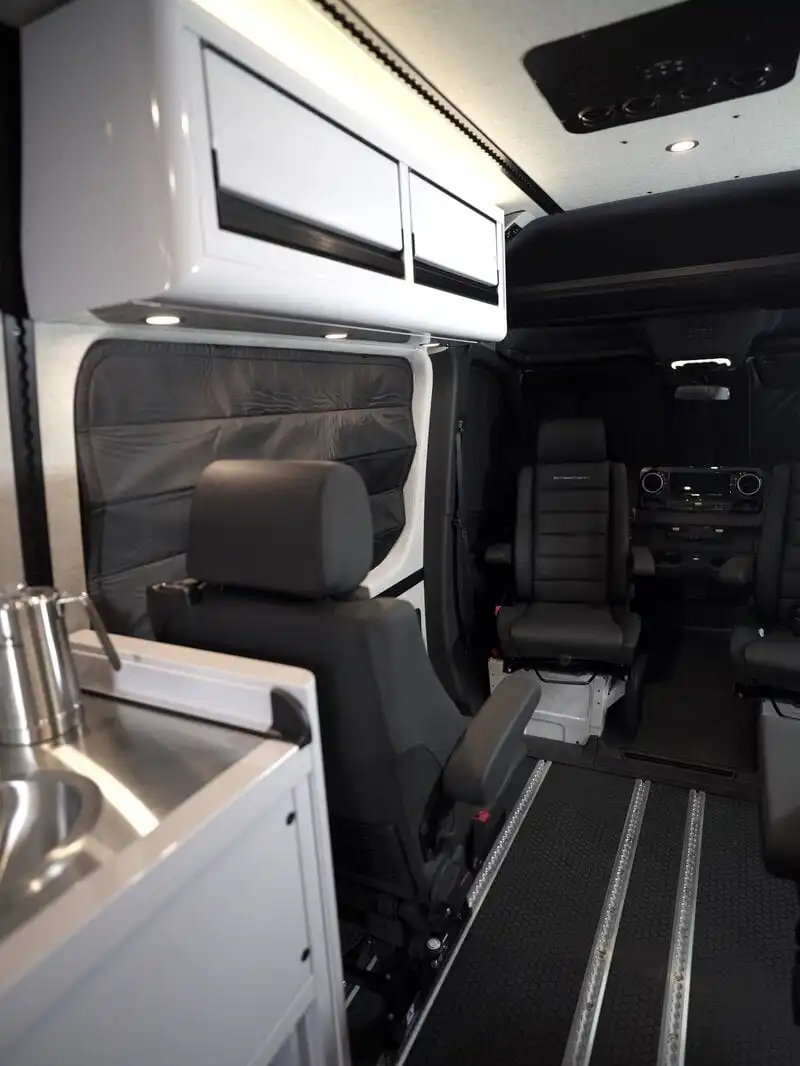
Evaluate the systems, not just the finish
Cabinetry and countertops are easy to judge from photos. The systems that determine whether a van actually works off-grid are not. When you evaluate a builder, ask hard questions about the electrical architecture — what components they use, how they size the battery bank and solar, whether the system is monitored — the water and heating systems, the insulation strategy, and how everything is integrated. A gorgeous interior wrapped around an underbuilt electrical system is a van that will frustrate you the first week you rely on it.
Good builders will talk fluently about these systems and explain the reasoning behind their choices. They will have a point of view on why they use the components they use. If a builder cannot clearly explain their electrical architecture or why they insulate the way they do, that is meaningful information. The systems are the build; the finish is the wrapper.
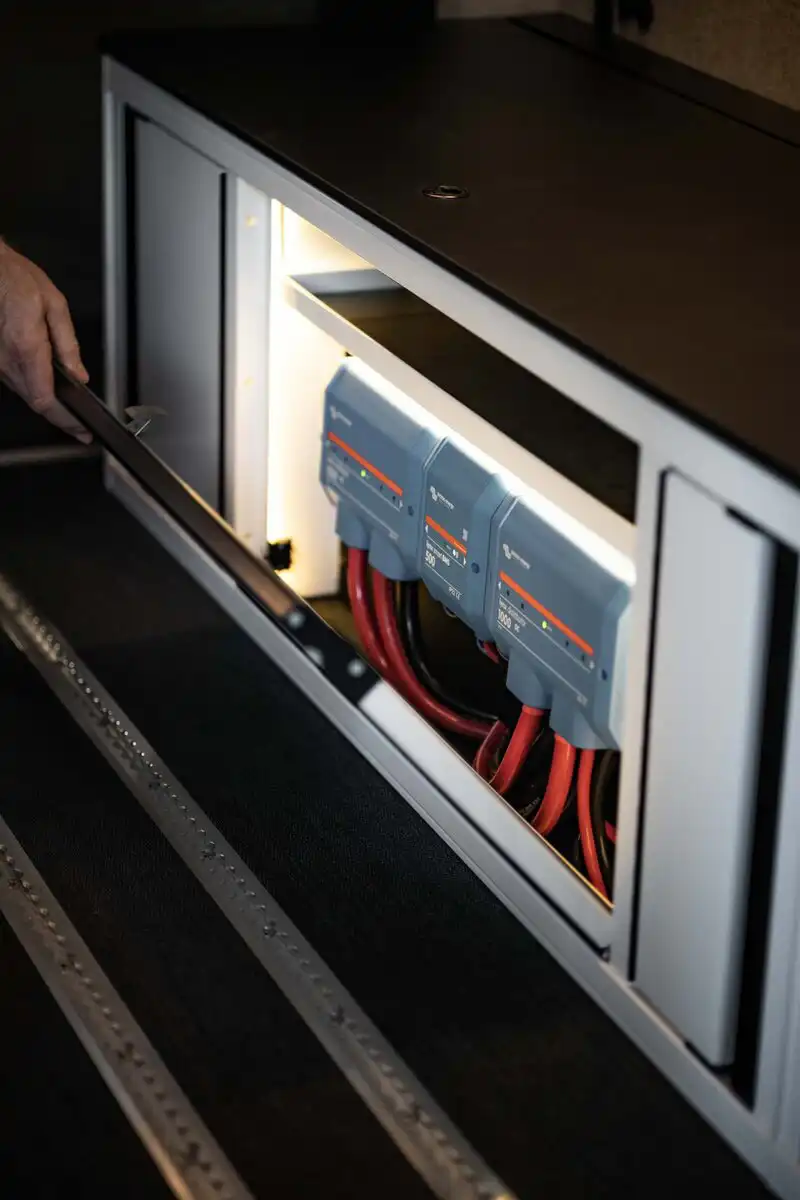
Look for real build transparency
Ask to understand the build process, not just see the outcome. How long does a build take? What is communicated along the way? Can you see work in progress, or only the reveal? Builders confident in their work tend to be transparent about the process — the parts that are messy, the decisions that get made mid-build, the honest timeline. Our own overland build showcase exists partly for this reason: to show the process from bare van to finished vehicle, not just the final photos.
Transparency also extends to cost. Custom builds are a significant investment, and the total depends heavily on the systems and level of customization you choose. A builder who gives you a clear, itemized sense of what drives cost — and where you can spend or save based on your priorities — is treating you as a partner. We break down what actually goes into pricing in our guide to the real costs of a Sprinter conversion, because an informed buyer makes better decisions and ends up happier with the result.
Consider location, lead time, and support
Where a builder is located matters more than people expect. Some builders serve mostly local clients; others, like us, are set up to build for customers nationwide and deliver across the country. If you do not live near your preferred builder, ask how they handle communication during the build, delivery logistics, and — importantly — support after you take delivery. A van is a complex vehicle, and things occasionally need attention. Knowing how a builder handles that before you commit is far better than discovering it afterward.
Lead time is another honest differentiator. Good builders often have a queue, and a realistic timeline is a sign of demand and discipline, not a red flag. Be cautious of promises that seem too fast for the level of customization being described — quality integration takes time.
Where Patrol Vans fits
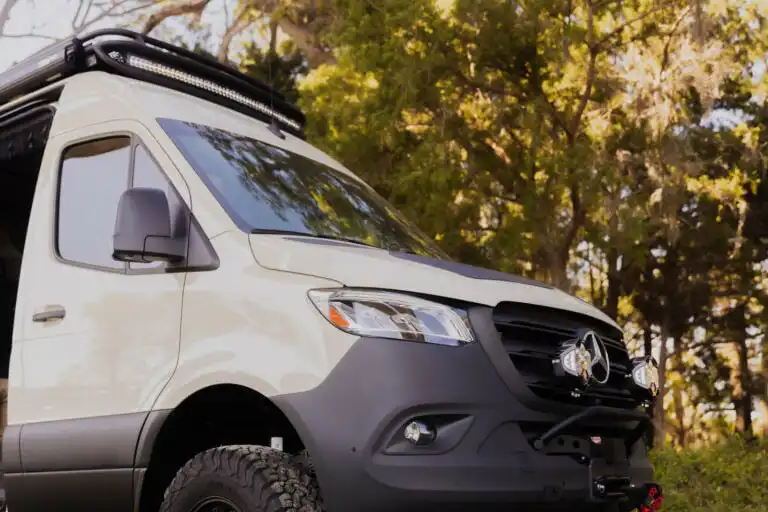
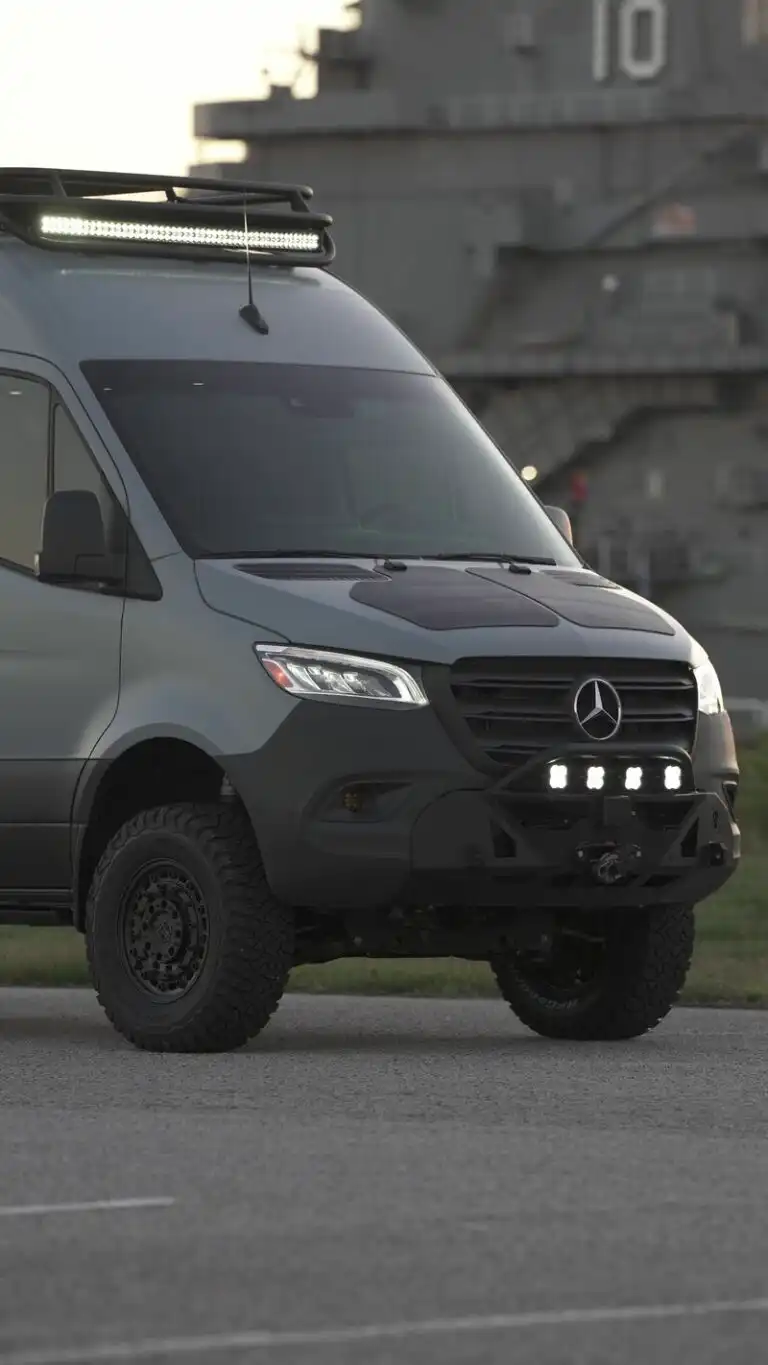
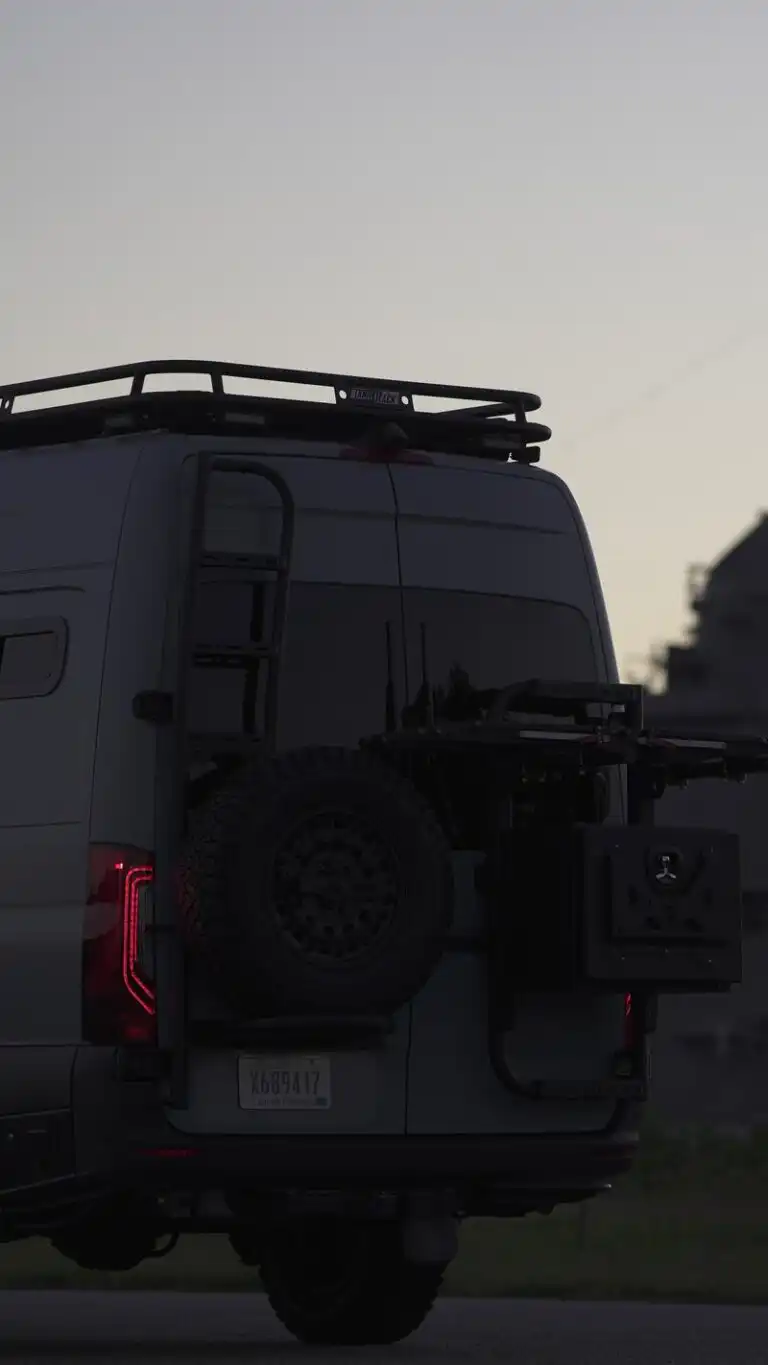
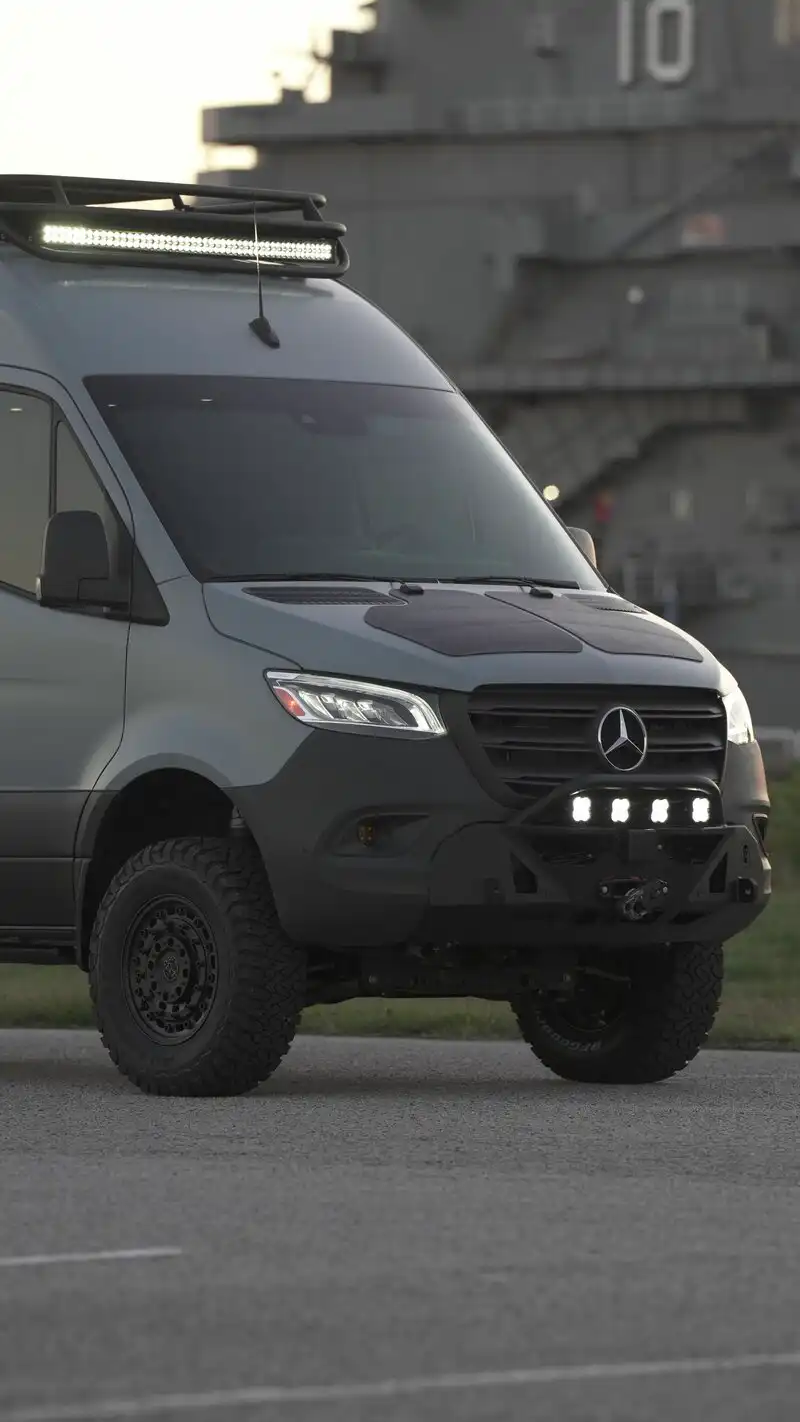
We build custom Sprinter conversions from Charleston, South Carolina, and deliver nationwide. Our focus is on rugged, highly configurable builds — modular interiors, Smartfloor systems, robust off-grid electrical, and utility-first layouts that adapt as your life changes. We are not the right builder for everyone, and we would rather help you find the right fit than oversell. If your priorities are real-world capability, long-term durability, and a van that can evolve with you, we are worth a conversation. If you want to see how we think about matching a build to a traveler, our guide to choosing between our AlphaVan, EchoVan, and OmegaVan platforms is a good next read.
Frequently asked questions
What should I ask a custom van builder before committing?
Ask how they size and build the electrical system, what components they use and why, how they handle insulation and climate, what the realistic timeline is, how they communicate during the build, and how they support you after delivery. Also ask whether the build can be reconfigured later. The quality of a builder’s answers to these questions tells you a great deal.
How much does a custom Sprinter van conversion cost?
It varies widely based on the systems and level of customization — from more modest builds to fully-equipped off-grid vehicles. The biggest cost drivers are the electrical system, the interior complexity, and the degree of customization. Rather than a single number, look for a builder who explains what drives the cost so you can make informed trade-offs.
Should I choose a local builder or one that delivers nationwide?
Either can work. A nationwide builder widens your options considerably, but ask specifically how they handle communication during the build, delivery, and post-delivery support. A local builder offers easy in-person access but a smaller pool to choose from. What matters most is the builder’s fit for your needs, not just their zip code.
How long does a custom van build take?
A quality custom Sprinter build typically takes months, not weeks, depending on the queue and the complexity of the systems. A realistic timeline is a good sign; a promise that seems too fast for the customization described is worth questioning.
The takeaway
There is no single best custom Sprinter van builder — there is the right builder for how you travel, the systems you need, and the way you want to be treated through the process and beyond. Judge builders on the questions they ask you, the systems behind the finish, their transparency about process and cost, and how they support you after delivery. Get those right and you will end up with a van you trust for years.
If you would like to talk through your build with a team focused on capability and configurability, schedule a consultation or learn more about how Patrol Vans works.