

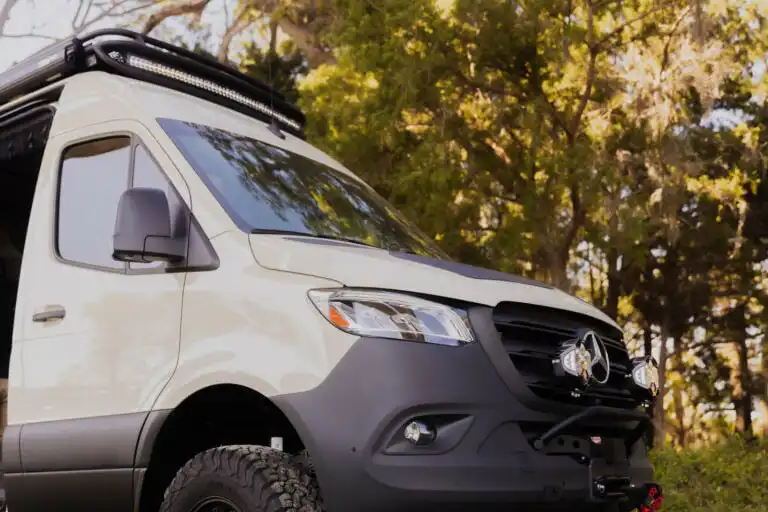
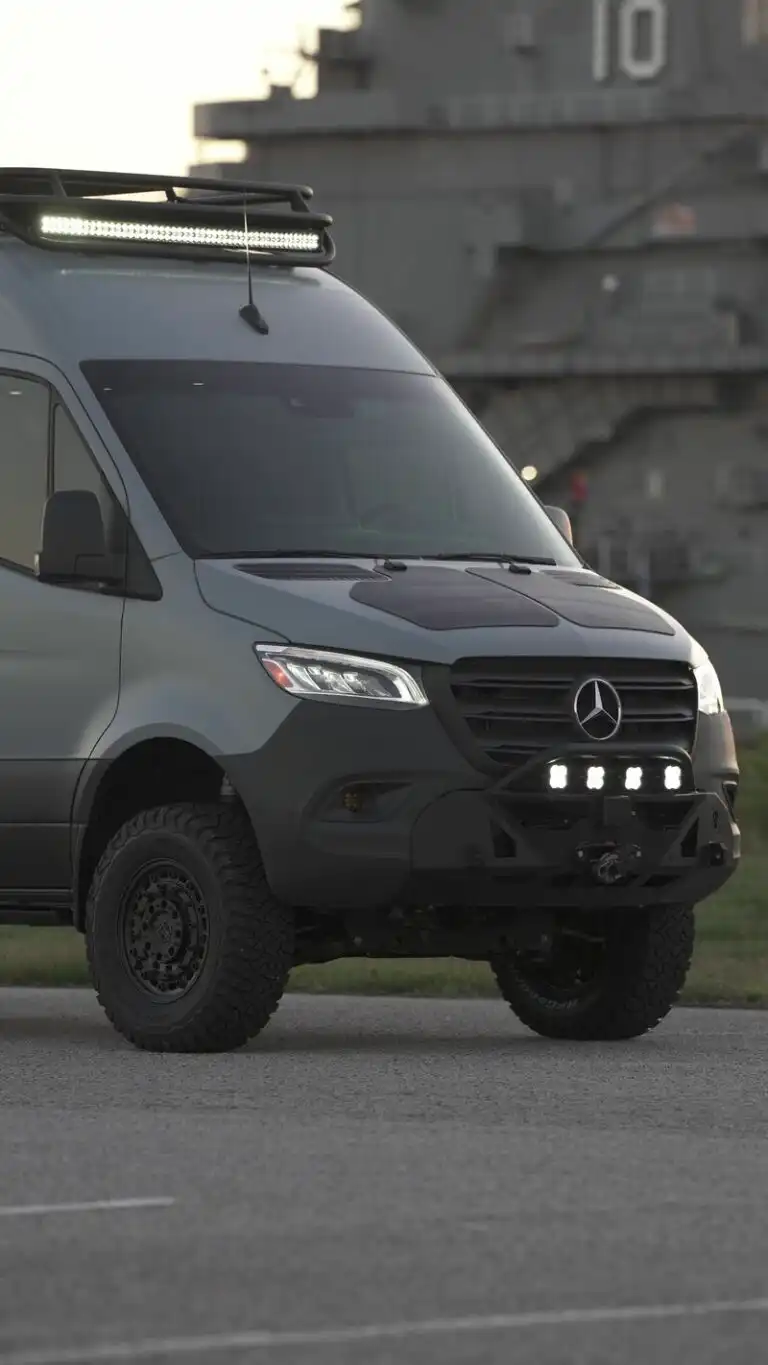
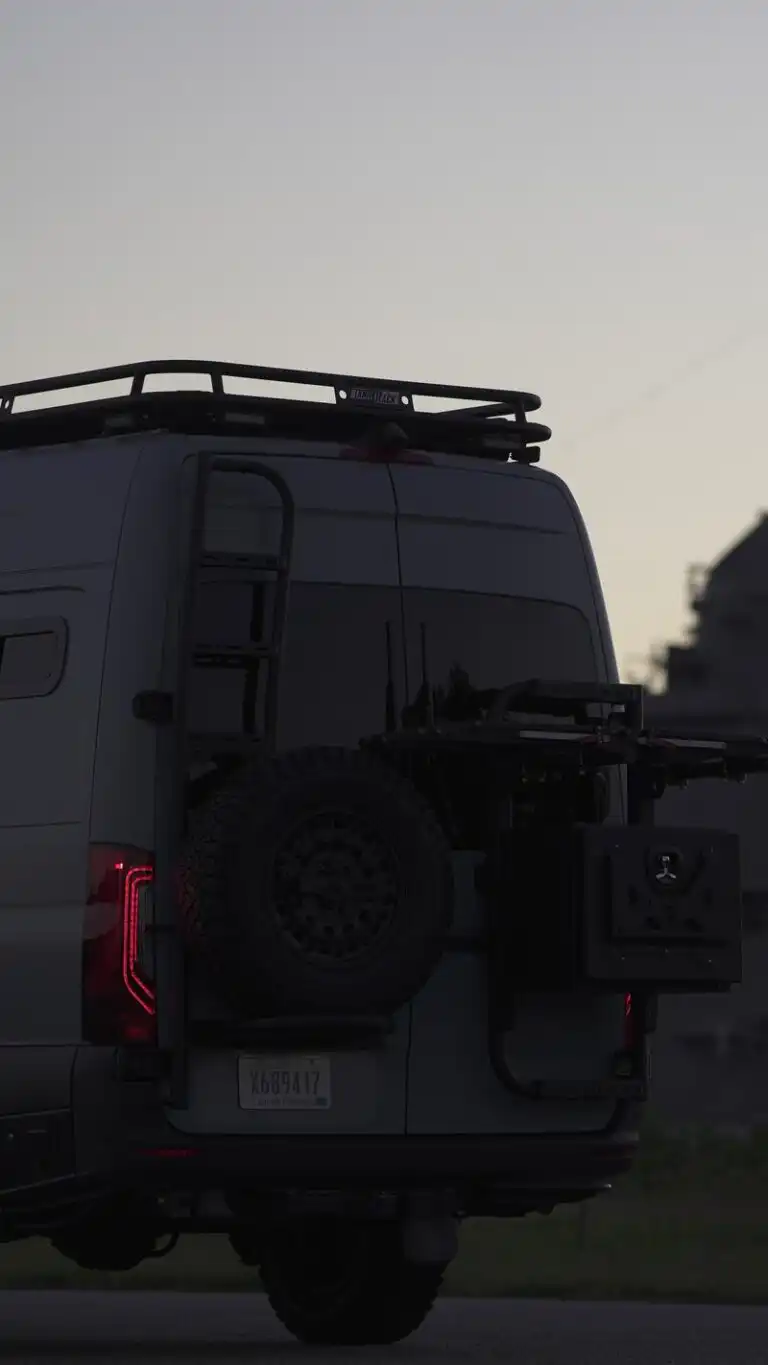
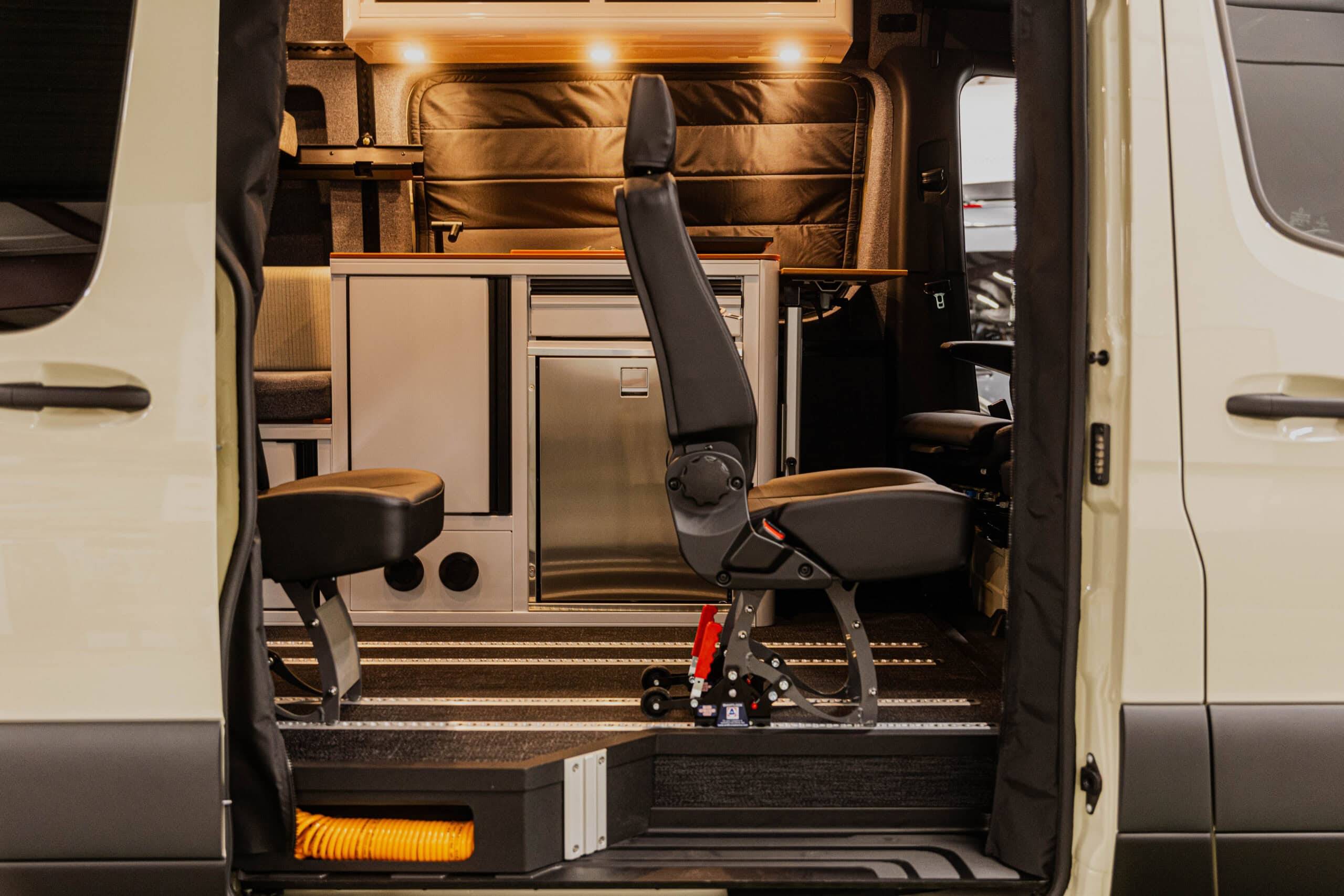
The three Patrol Vans model lines — AlphaVan, EchoVan, and OmegaVan — exist because adventure-class buyers don’t have one use case. A weekend warrior, a family traveler, and a full-time digital nomad are all buying an adventure van, but they’re solving for different things. The model lineup is structured to give each buyer the right configuration without forcing everyone into the same build.
This guide is the side-by-side. We’ll cover what each model is optimized for, where the meaningful differences sit, and how to pick the one that fits your actual use case.
The three models in one sentence each
The AlphaVan is the streamlined entry into the lineup — adventure-capable without the maximum off-grid duration.
The EchoVan is the balanced middle — the most-ordered configuration, optimized for buyers whose use case mixes adventure travel, family travel, and occasional utility work.
The OmegaVan is the no-compromise build — maximum off-grid capability, fullest modular interior, configured for buyers pushing into expedition-adjacent territory.
All three share the same engineering DNA: Smartfloor foundation, real off-grid electrical, proper suspension, certified seating. The differences are in spec level, not in philosophy.
AlphaVan: the streamlined adventure build
The AlphaVan is the entry point. It’s not a budget build — it’s still a fully adventure-capable Sprinter conversion with Smartfloor, real suspension, and meaningful off-grid systems. The reason it’s the entry point is that it’s spec’d for buyers whose use case is real adventure travel without the maximum-duration off-grid demands the OmegaVan supports.
Best fit for: Weekend and short-multi-day adventure travelers, couples without kids, buyers whose typical trip is up to a week off-grid, buyers prioritizing build quality and configurability without the cost of the highest-spec systems.
Engineering signatures: Smartfloor foundation, real suspension upgrade, lithium electrical sized to a-week-or-so off-grid, sleep configuration for two adults with optional third sleeping surface, modular cargo and seating layout, dedicated heat and ventilation.
Use cases the AlphaVan is designed around: mountain weekends, national park trips, photo and adventure professional work that doesn’t require sustained remote duration, the buyer whose first adventure van this is.
EchoVan: the balanced middle
The EchoVan is the most-ordered model and the configuration that solves the broadest range of buyer use cases. The reason it’s the most popular: most adventure-class buyers’ actual travel mixes use cases — adventure trips, family trips, occasional work or utility use, and the modular interior to handle all of them without rebuilding the van between trips.
Best fit for: Active families, buyers whose travel mix changes across the year, work-and-recreation hybrid users, buyers who need real off-grid duration but aren’t pushing into expedition territory, full-time digital nomads who want capability and livability balanced.
Engineering signatures: Smartfloor foundation with broader certified seating layout, lithium electrical sized to multi-week off-grid use, expanded water capacity, fuller modular galley and storage configuration, sleep configuration for up to four (two adults plus two kids in a family configuration; configurable for two-adult use with expanded cargo and gear capacity), dedicated workstation option for remote work.
Use cases the EchoVan is designed around: family adventure travel, full-time travel for couples or small families, the buyer who wants one van that handles their whole life rather than a vehicle optimized for one use case.
For more on family-specific configuration of the EchoVan, see our guide to family adventure van builds.
OmegaVan: the no-compromise build
The OmegaVan is the highest-spec configuration in the lineup. It’s not always the right answer — most buyers don’t actually need OmegaVan-class capability — but for the buyers who do, the OmegaVan is the build with no shortcuts.
Best fit for: Buyers pushing into expedition-adjacent travel, full-time travelers in remote terrain, photographers and adventure professionals whose work happens in places that demand sustained off-grid capability, buyers whose actual usage justifies the highest spec across every subsystem.
Engineering signatures: Smartfloor foundation with maximum modular flexibility, lithium electrical sized for sustained multi-week off-grid use even in poor solar conditions, expanded water and greywater capacity, fuel range extensions where applicable, expanded recovery and off-road provisioning, expanded sleeping and gear capacity, redundant systems where reasonable.
Use cases the OmegaVan is designed around: expedition-class travel, sustained remote work in challenging conditions, buyers whose trip patterns include weeks of true self-sufficiency.
How to choose between the three
The deciding factor is almost always the actual use case — specifically, the off-grid duration the van will need to support and the configurability the interior will need to deliver.
Use the AlphaVan when:
Trips are typically up to a week of off-grid use, the buyer is one or two adults without kids, the use case is consistent across trips (mostly weekend and short-multi-day adventure travel), and the budget priority is build quality over maximum spec.
Use the EchoVan when:
The use case crosses categories — family travel plus adventure travel plus occasional utility, or two adults whose trips range from one-night getaways to multi-week travel, or full-time digital nomads who want livability matched to capability. This is the configuration most adventure-class buyers actually need.
Use the OmegaVan when:
Trips push past two weeks of true off-grid, terrain involves genuinely remote conditions, work or use case demands the maximum capability and the buyer’s usage justifies the cost over the EchoVan.
The decision most buyers actually face
The most common buyer question we get is the choice between AlphaVan and EchoVan, not between EchoVan and OmegaVan. Most buyers aren’t pushing into OmegaVan territory; they’re trying to figure out whether the AlphaVan covers their use case or whether they need to step up to EchoVan capability.
The honest answer for most: buyers who travel more than 30 nights per year, who have kids or anticipate having kids, or whose use case will change meaningfully across the next five years should usually step up to the EchoVan. Buyers whose travel is genuinely fixed at adventure-class short-multi-day use with one or two adults can be very well served by the AlphaVan and save the cost difference.
The EchoVan-versus-OmegaVan decision is simpler. If you don’t already know your travel pushes into expedition territory, you don’t need OmegaVan-class capability.
Cost positioning across the lineup
Each model sits at a different point on the cost ladder, with the spec differences driving most of the gap. For real-world numbers and where the line items actually land, see our breakdown of real Sprinter conversion costs and tradeoffs. The AlphaVan is the entry point into the lineup; the OmegaVan is the upper end; the EchoVan sits between them and gets the most orders for the simple reason that most buyers’ actual use case lands there.
Frequently asked questions
Which Patrol Vans model is the best for families?
The EchoVan, in most family configurations. The seating layout, sleeping capacity, water and electrical sizing, and modular interior all match family travel use cases better than the lighter AlphaVan or the more expedition-focused OmegaVan. Specific family configurations vary; our family build guide goes deeper.
Can I start with an AlphaVan and upgrade later?
Yes, in two senses. First, individual subsystem upgrades are possible — battery capacity, water capacity, electrical components — though the cost of upgrading after the build is higher than spec’ing it correctly the first time. Second, Smartfloor-anchored modules transfer between Patrol Vans builds, so buyers who eventually upgrade chassis can often carry interior modules forward.
Which model is best for full-time travel?
For most full-timers, the EchoVan. The OmegaVan is overbuilt for full-time travel that mostly happens on developed routes. The AlphaVan is undersized for the duration full-time travel creates. Specific full-time configurations are highly individual and worth discussing with the team.
Are the three models built on the same chassis?
All three are Mercedes Sprinter platforms. The specific chassis configuration (wheelbase, drivetrain, roof height) varies by model and customer specification. The Smartfloor foundation and engineering philosophy are constant across all three.
How do the model warranties differ?
The chassis warranty is the same across the three models (Mercedes factory warranty on the underlying vehicle). The Patrol Vans build warranty and the component warranties (electrical, suspension, interior) are consistent across the lineup. The differences are in spec, not in the warranty support.
Where to go from here
If you’re choosing between the three models, the most useful next step is a specific conversation about your actual use case. Talk with the Patrol Vans team about how you’ll use the van across a typical year — including the trips that don’t make it onto your aspirational list — and we’ll point you to the model that fits without over- or under-spec’ing the build.
If you’d rather start by exploring the lineup directly, the Basecamp configurator walks through each model side by side, and the individual model pages — AlphaVan, EchoVan, OmegaVan — go deeper on each configuration.
For broader Sprinter platform documentation, Mercedes-Benz USA maintains the technical specs at mbvans.com/sprinter.